
Comprehensive Guide to Creating a Detailed Invention Disclosure Document
When preparing to patent an invention, a well-structured invention disclosure document is crucial. It serves as the foundation for conducting a novelty search and patent drafting, ensuring that the invention is clearly articulated, technically sound, and legally robust. This guide will help inventors systematically document their inventions, making the patenting process smoother and more effective.
A comprehensive invention disclosure is essential for the following reasons:
- It helps a patent attorney accurately assess the invention’s patentability.
- It provides clarity for conducting a novelty search to identify prior art.
- It serves as a technical blueprint for drafting a strong patent application.
- It ensures novelty, non-obviousness (inventive step), and industrial applicability (utility) are well-defined.
How to create an Effective Invention Disclosure for Your Idea or Invention
Every great invention begins with an idea. However, before an idea can become a patent, it must be properly documented and communicated. This is where an Invention Disclosure becomes extremely important.
An invention disclosure is often the first formal document prepared by an inventor before filing a patent application. It serves as a bridge between the inventor and the patent professional, helping capture the complete details of the invention in a structured manner.
Many patent applications become weak because critical information was never disclosed during the initial stages. A well-prepared invention disclosure can significantly improve the quality of patent drafting, reduce misunderstandings, save time, and increase the chances of obtaining strong patent protection.
Video : How to prepare invention disclosre for your idea, invention or concept

In this article, we will explain what an invention disclosure is, why it is important, and how to prepare one effectively.
What is an Invention Disclosure?
An invention disclosure is a detailed document prepared by the inventor describing the invention, including:
- What the invention is
- How it works
- What problem it solves
- How it differs from existing solutions
- Possible alternatives and variations
- Commercial applications
It is essentially a technical and business description of the invention provided to a patent attorney or patent agent for preparing a patent application.
Think of it as a “blueprint” of your invention from the inventor’s perspective.
it can be received in any of following form like following, there is no fixed format to explain the invention.
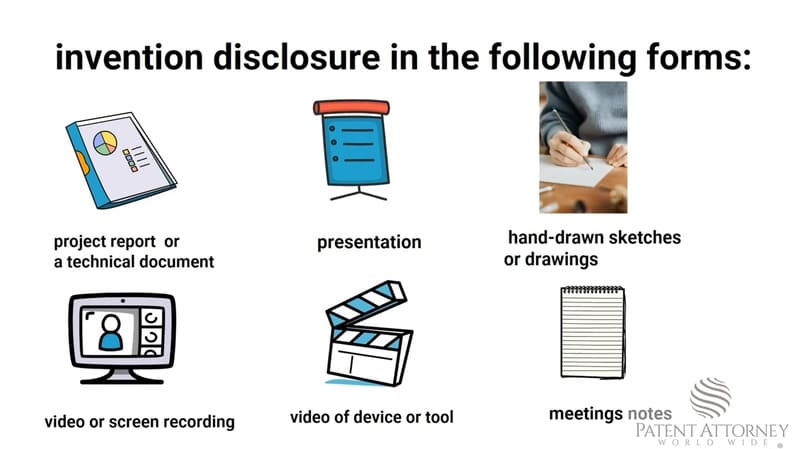
Video : Information needed to file patent application: How to provide invention disclosure for your invention

Examples of different invention disclosures by hand drawn sketches and flowcharts
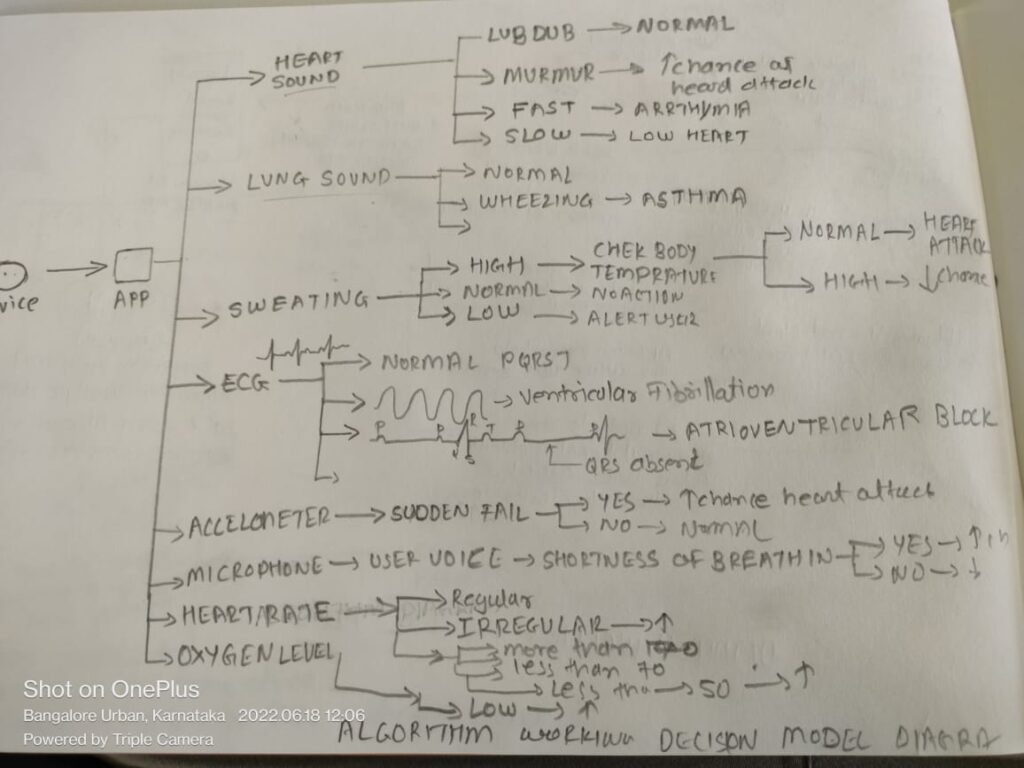
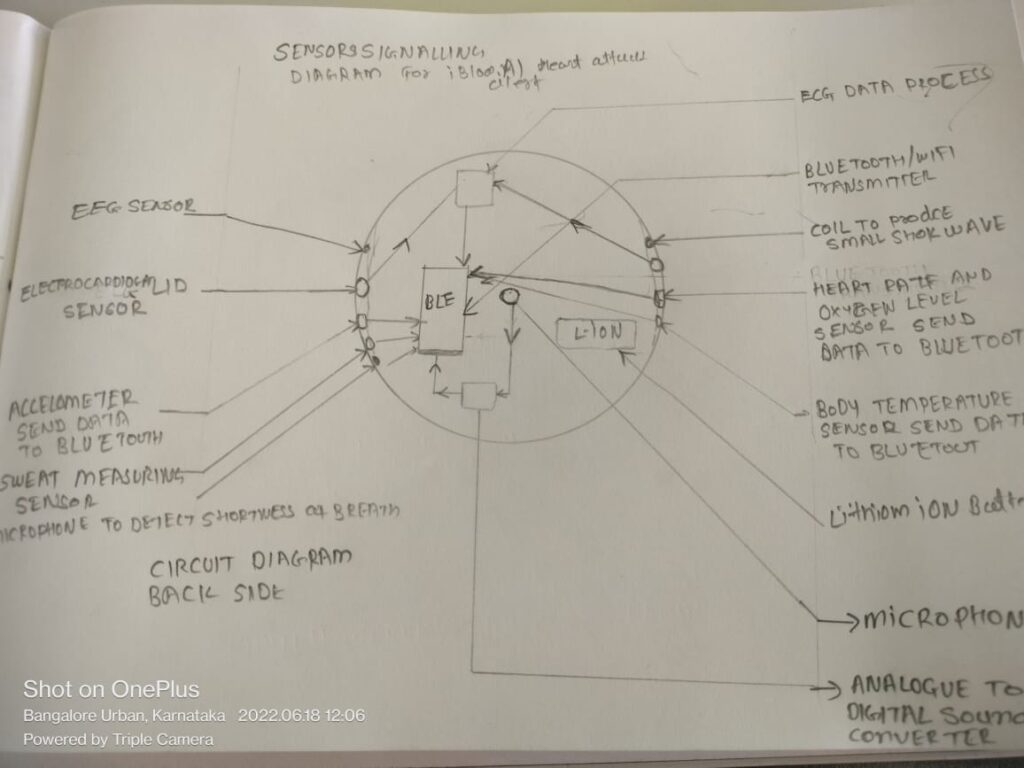
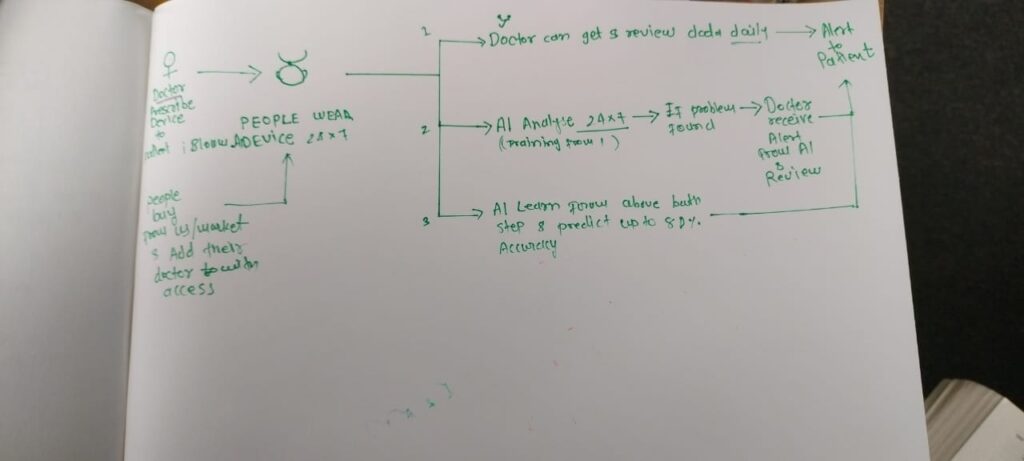
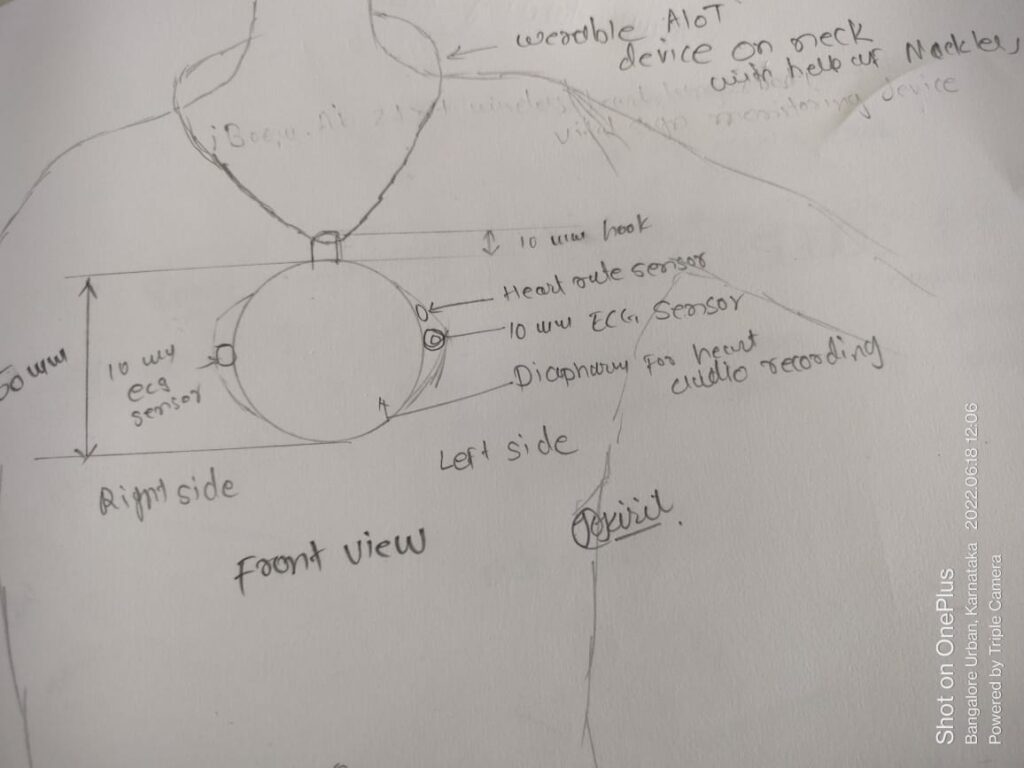
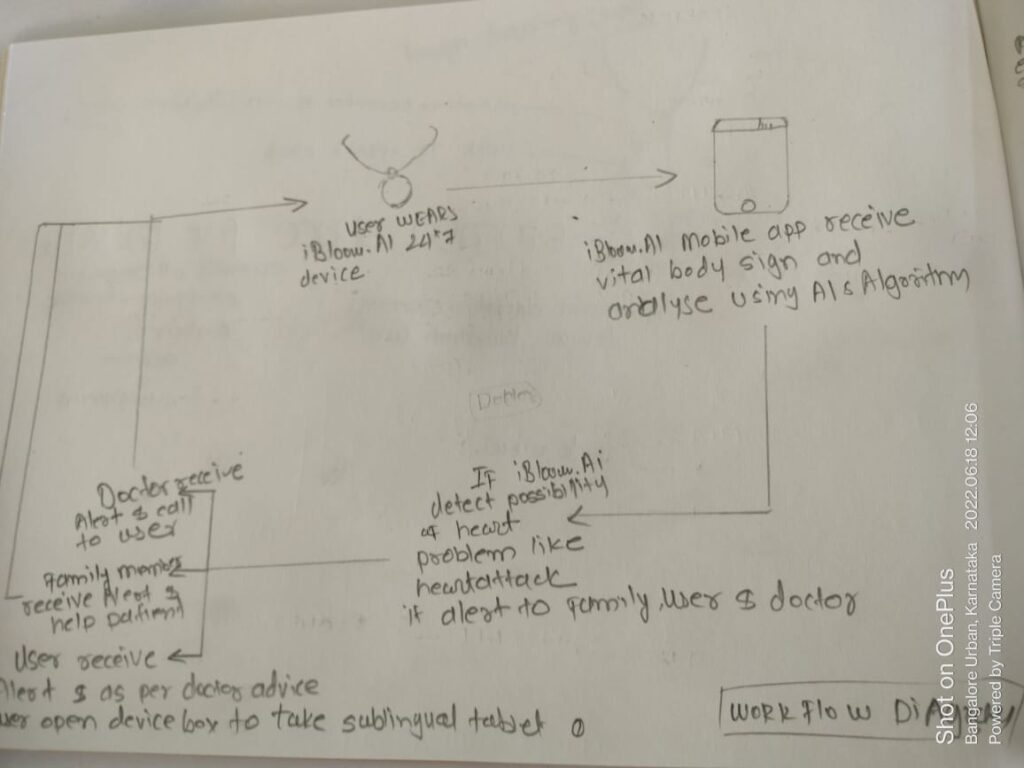
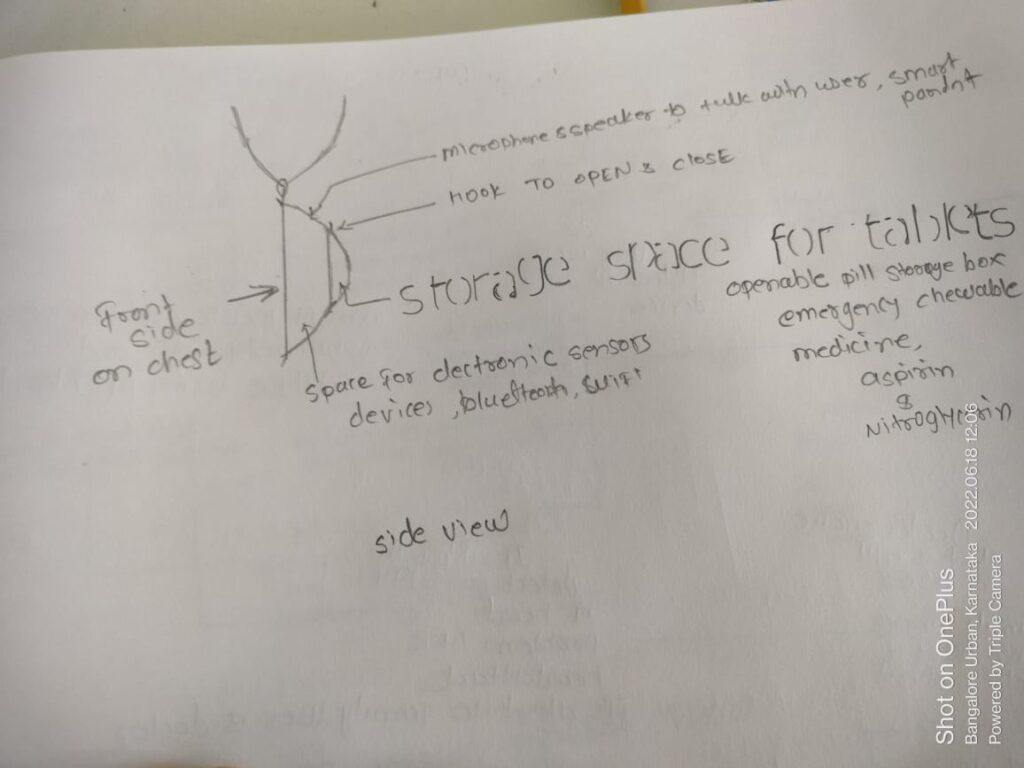
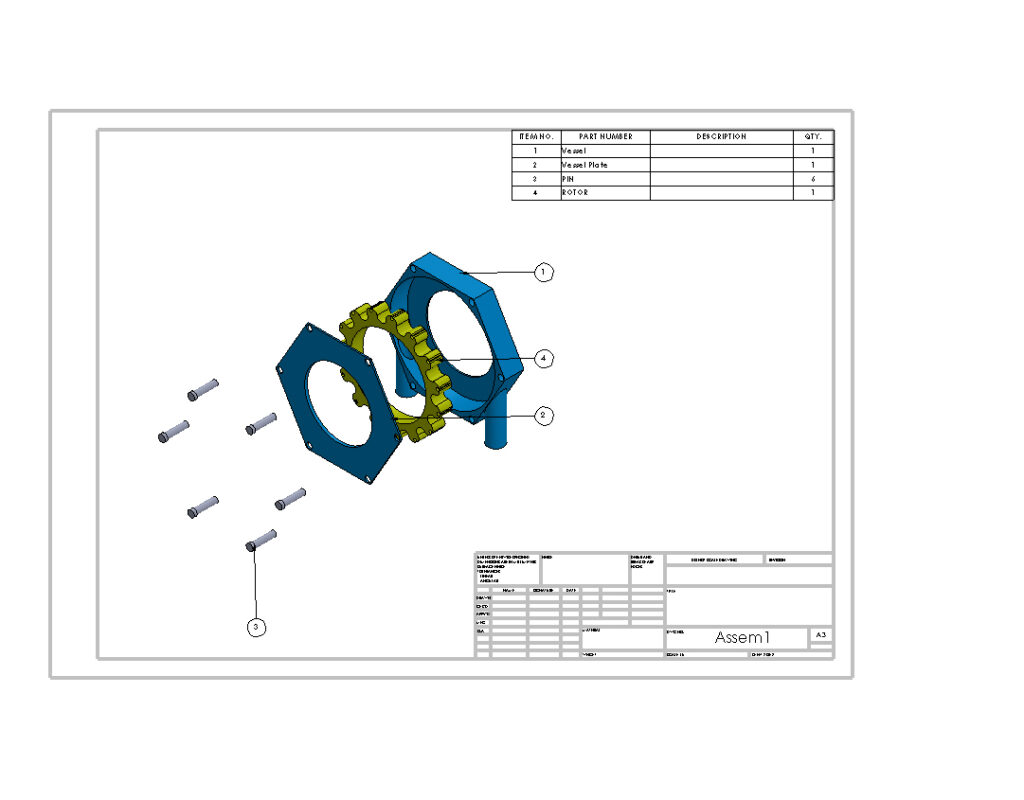
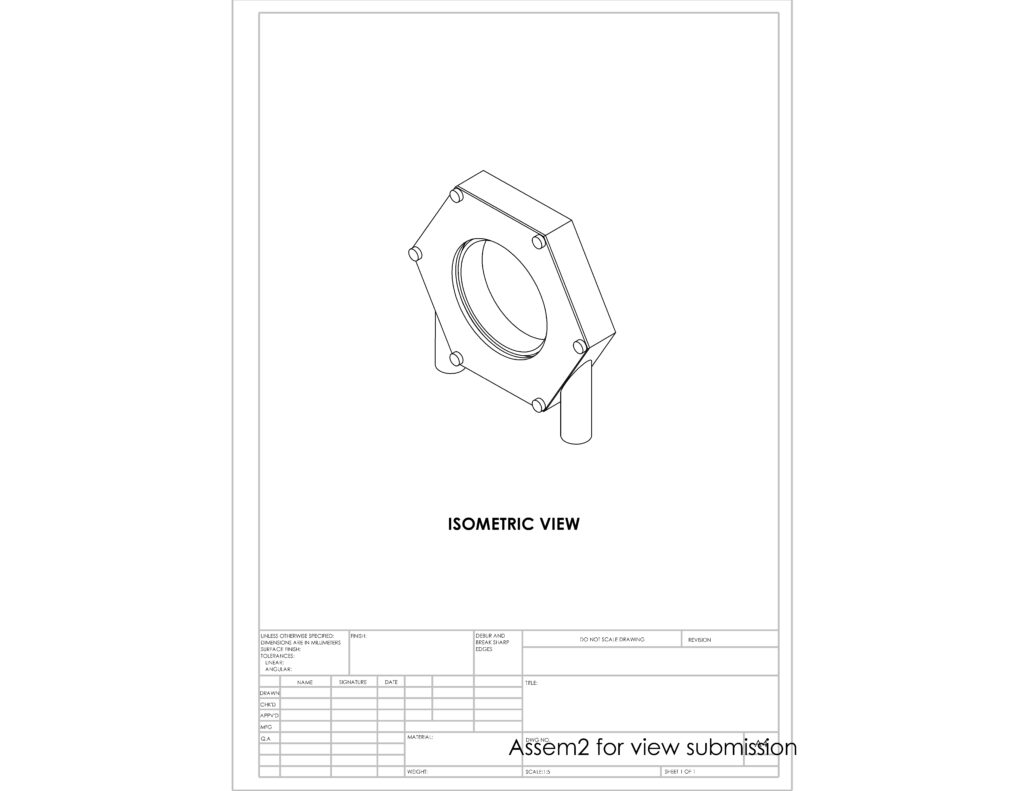
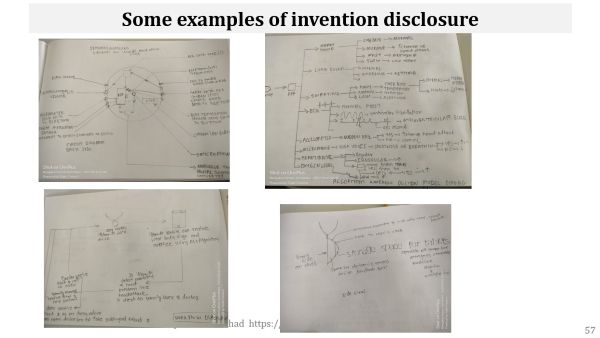
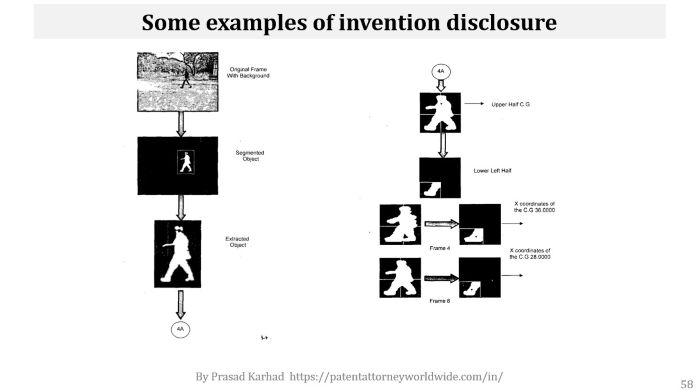
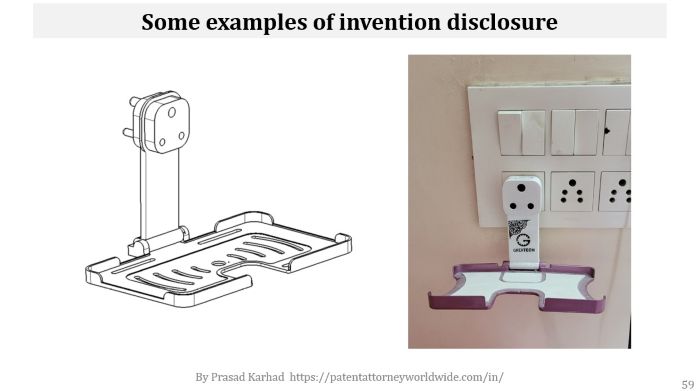
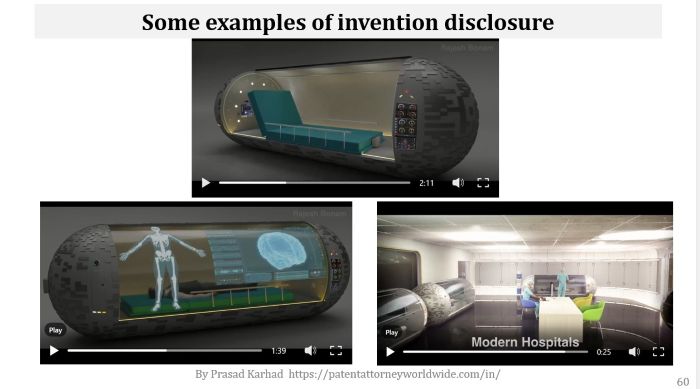
Example of Invention disclosure form filled
Guidelines for Creating Drawings , Diagrams or flow chart for Patent Applications
Creating relevant diagrams for your invention is a crucial step in developing a complete invention disclosure. These visual representations not only clarify how your invention works but also play a vital role in ensuring the clarity and completeness of your patent application. Properly prepared diagrams can enhance your chances of securing intellectual property protection by effectively communicating the nuances of your invention to patent examiners and other stakeholders.
This guide provides detailed insights and recommendations for inventors on creating effective diagrams for patent applications.
1. Importance of Diagrams in Patent Applications
Diagrams serve as a bridge between the technical description and the practical understanding of your invention. They:
- Illustrate complex concepts that may be challenging to describe in words.
- Provide context for claims by visually supporting how components interact or function.
- Help patent examiners and readers comprehend the innovation quickly.
- Ensure compliance with patent office requirements for drawings, which may be a mandatory component of the application.
2. Types of Diagrams for Patent Applications
Different types of inventions require specific diagrams to represent their features effectively. Below are common diagram types and their appropriate use cases:
a. Hand-drawn Sketches
- Purpose: Useful during the initial concept stages or for inventions in a physical form.
- Application: These sketches can capture the essence of the invention before formal drafting.
- Example: Drawing a preliminary layout of a mechanical tool or prototype.
b. Flowcharts
- Purpose: Best for inventions involving processes or sequences of steps.
- Application: Illustrates decision-making processes, algorithm flows, or procedural workflows.
- Example: A flowchart explaining a data encryption method or manufacturing process.
c. System or Block Diagrams
- Purpose: Ideal for electronic or complex mechanical systems.
- Application: Show relationships between components or subsystems.
- Example: A system diagram depicting the interaction between software modules or mechanical units.
d. Schematic Diagrams
- Purpose: Provide detailed representations of electronic or mechanical connections.
- Application: Highlight connections, circuits, or internal mechanics.
- Example: A schematic of an electronic device showing wiring and component placements.
e. Photographs or Screenshots
- Purpose: Suitable for software interfaces or inventions with unique physical appearances.
- Application: Provide visual evidence of the invention’s design or functionality.
- Example: A photograph of a new ergonomic chair or a screenshot of a novel software interface.
Step-by-Step Guide for Creating Diagrams
Step 1: Understand Your Invention
- Break down the invention into its fundamental components or processes.
- Identify the aspects that require visual representation.
Step 2: Choose the Right Diagram Type
- Select the diagram type based on the invention’s nature and the information you want to convey (refer to Section 2).
Step 3: Draft the Diagram
- Start with hand-drawn sketches to map out the structure or flow.
- Use specialized tools like AutoCAD, SolidWorks, or Visio for precision.
Step 4: Label and Annotate
- Assign labels to all components and include a legend if necessary.
- Annotate specific features or steps to enhance understanding.
Step 5: Review and Refine
- Ensure diagrams are clear and free from errors.
- Validate consistency between the diagrams and written description.
Step 6: Finalize the Diagram
- Convert the diagrams to the required format (PDF, TIFF, etc.).
- Ensure compliance with formal submission guidelines.
5. Examples and Resources
For inspiration and understanding of well-drafted diagrams, review the examples provided in the following links:
Examples of Drawings and flowcharts
These examples showcase how different inventions can be effectively represented visually.
Importance of Early filing date in life of Patent:
The filing date plays a crucial role in patent protection. It is the “first to file” system all over the world, this means who ever “files the patent for invention first” would be considered owner of patent rights, not the one who invents the invention first.
So, you could be one who invented an invention and someone else working in same field files a patent for the similar invention then the person who files the patent application considered owner of patent rights.
Why the filing date matters more than most inventors realize
Worldwide, patent law follows a single rule: The person who files first owns the patent rights.– Not the one who invents first.- Not the one who develops it better.
Just the one who files first.
Information to Include in an Invention Disclosure
1. Title of the Invention
Example:
- Smart Irrigation Control System
- AI-Based Medical Diagnosis Platform
- Portable Solar-Powered Water Purification Device
2. Problem Being Solved
- What problem exists?
- Why current solutions are inadequate?
- What challenges users face?
Example:
Traditional agricultural irrigation systems operate on fixed schedules and often result in water wastage due to lack of soil moisture monitoring.
This section helps establish the need for the invention.
3. Background of Existing Technology
Describe:
- Existing methods
- Current products
- Existing technologies
- Their limitations
Example:
Current irrigation controllers rely on timers and manual intervention. They do not dynamically adjust watering based on soil conditions.
This section provides context and highlights shortcomings of prior solutions.
4. Detailed Description of the Invention
This is the most important section.
Explain:
- Components of the invention
- Structure
- Functionality
- Workflow
- Technical implementation
Answer:
- What are the parts?
- How are they connected?
- How does the system operate?
- What is the sequence of operations?
Write as if you are teaching a technically skilled person how to recreate the invention.
5. Novel Features of the Invention
Identify what is truly new.
Ask yourself:
- What makes this invention different?
- What feature did not previously exist?
- What improvement has been achieved?
Examples:
- New algorithm
- Unique mechanical arrangement
- Improved manufacturing process
- Novel communication protocol
- Enhanced user interface
Patent protection generally focuses on these novel aspects.
6. Technical Advantages
Explain the benefits achieved through the invention.
Examples:
- Faster processing
- Reduced power consumption
- Lower manufacturing cost
- Increased accuracy
- Improved safety
- Better durability
Quantitative advantages are especially useful.
Example:
The invention reduces energy consumption by approximately 35% compared to conventional systems.
7. Drawings and Diagrams
Include:
- Flowcharts
- Block diagrams
- Mechanical drawings
- Process diagrams
- System architecture diagrams
Even rough sketches are helpful. You do not need professional CAD drawings at the disclosure stage. A hand-drawn diagram can often communicate the invention effectively.
8. Step-by-Step Working Process
Describe exactly how the invention operates.
Example:
- Step 1: Soil moisture sensor measures moisture level.
- Step 2: Sensor data is transmitted to the controller.
- Step 3: Controller compares data against predefined thresholds.
- Step 4: Irrigation valve is activated if moisture falls below threshold.
- Step 5: Water supply is stopped when adequate moisture is detected.
A workflow explanation helps patent professionals understand the inventive concept.
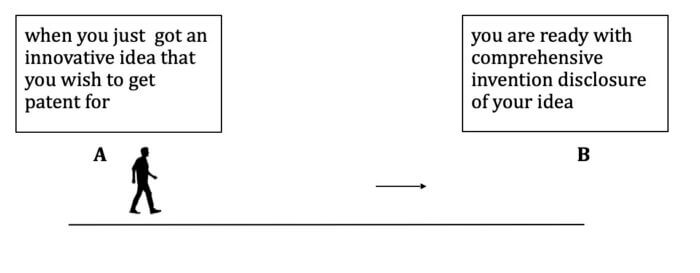
As an inventor, creating a complete invention disclosure is the most important step that you would be taking that will decide the future and fate of your invention which would be ultimately going to get the patent protection.”
“The difference between an idea about a product and an invention about a product, and the difference is about how detailed or specific the information is. Is information sufficient to implement the invention?”
Ultimately, we reach a point where we have a complete invention disclosure of the invention that can be shared with patent attorney or patent agent who would proceed with patent filing and would be resulting in grant of patent if the patent application is found to be following required criterias like patentability criteria of novelty, non-obviousness, and utility.
Invention disclosure form is attached in link below :
Conclusion
A well-prepared invention disclosure is one of the most important steps in the patenting process. It enables patent professionals to understand the invention completely and draft stronger patent applications that provide broader and more effective protection.
Remember: the quality of a patent application often depends on the quality of information provided by the inventor. The more comprehensive your invention disclosure, the better your chances of securing meaningful patent protection.
If you need assistance preparing an invention disclosure, conducting a patentability search, or filing a patent application in India or internationally, feel free to reach us for the help or for short discussion, we would be happy to answer all of your questions.
Book Free Patent Consultation . Contact number : +91 8975533075 . WhatsApp Consultation
18+ years experience | 1,800+ clients | 20+ IP professionals team | Team expertise in 10+ domains
Countries : India . United States . United Kingdom . Europen countries . Australia . Japan . Canada . etc…

- Indian Patent Office, Govt. of India
- Patent Facilitator for Start-ups, Startup India Govt. of India
- Bachelor’s degree in Electronics and Telecommunication engineering.
- Author of multiple books on Patents and IPR including a best-selling book on “How to patent an idea in India” which has been selected as the “Memorable Business Book of 2018” by Amazon
- Books are included in the syllabus of Educational Institutions as textbook and reference book on subject of IPR and Patents
- For 17+ years, Prasad has helped protect the intellectual property rights (IPR) of more than 1800 clients, including individuals, entrepreneurs, and educational institutes. This includes patents, trademarks, designs, and copyrights.
- Selecting Goods & Services in a U.S. Trademark Application: How to Avoid Additional USPTO Fees and Office Actions - July 26, 2026
- India’s Innovation Engine is Roaring: 2024-25 annual report from India’s Intellectual Property Office - December 16, 2025
- The Fastest Path to Selling or Licensing Your Invention - December 8, 2025